It’s your first time traveling to Costa Rica and you’re unsure how things work when it comes to electricity and internet.
Do you need a power adapter? Is there electricity everywhere? How many volts come out of the socket? And how reliable is the internet?
This article answers all of these questions. And if anything is still unclear afterward, feel free to reach out!
Is There Electricity in Costa Rica?
Yes, electricity is available in most regions of Costa Rica.
However, there are places where electricity is only available at certain times of the day. In some remote areas, electricity is used during the day—for example for kitchens or workshops—and turned off at night. Other regions generate electricity through their own solar power systems.
Many Europeans assume that if electricity exists, it is available continuously. This is not always the case in Costa Rica. Power outages are relatively common and can last a few seconds, several minutes, or occasionally a few hours.
The main reason is the use of above-ground power lines, which are exposed to weather conditions, falling trees, or traffic accidents. Especially during the rainy season or strong storms, temporary outages can occur. Local electricity providers usually respond quickly, but a bit of patience is helpful.
Good to know:
Costa Rica produces most of its electricity from renewable energy sources, including hydropower, wind, and geothermal energy. A well-known example is the Cachi Hydroelectric Dam.
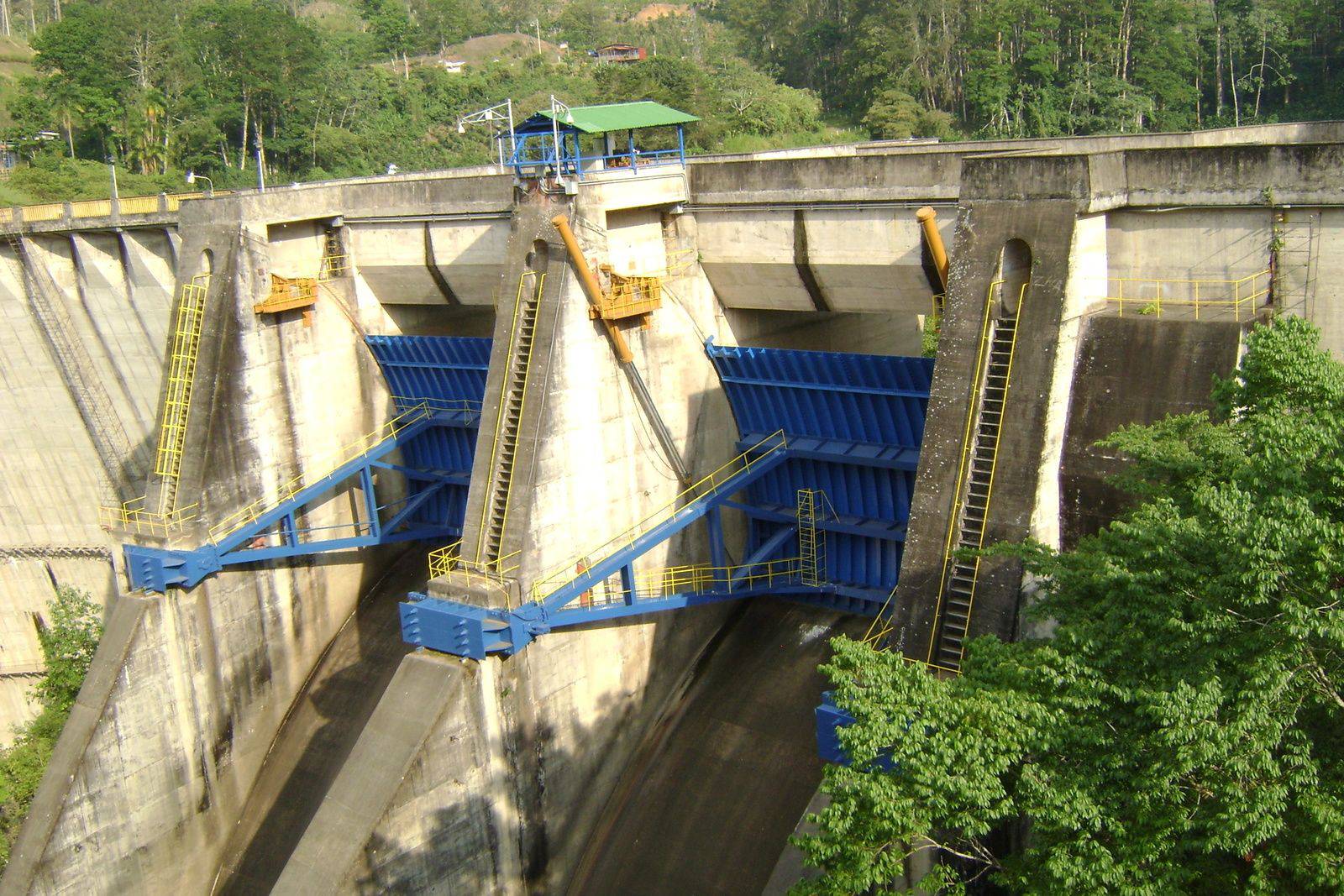
Cachí dam
How Many Volts Are Used in Costa Rica? Do You Need an Adapter?
In Costa Rica, the standard voltage is 120 volts at 60 Hz.
Travelers from Europe (Germany, Austria, Switzerland) will definitely need a power adapter. Costa Rica uses Type A and Type B sockets, the same as in the United States:
- two flat parallel pins
- optionally a third round grounding pin
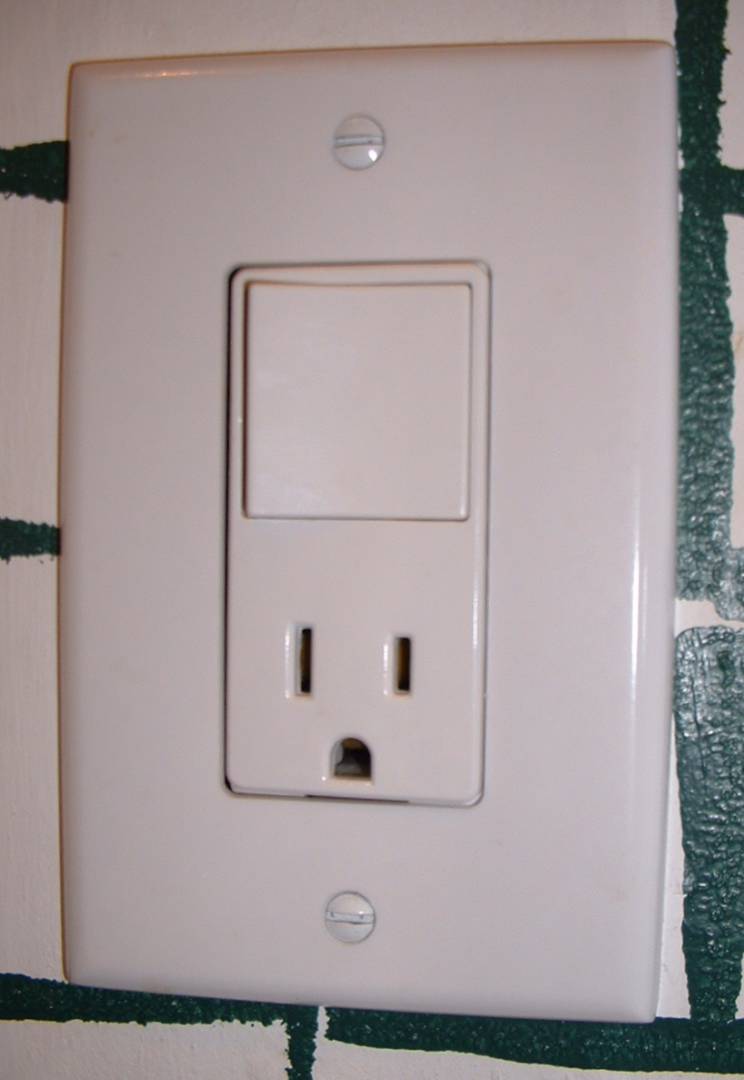
The socket in Costa Rica
In most cases, an adapter with two flat pins is sufficient. However, it’s important to check whether your devices are compatible with 120 V. Many modern chargers (for phones, laptops, cameras) support 110–240 V automatically, but you should always check the label.
High-Power Devices: Be Careful
Devices such as:
- hair dryers
- straighteners
- electric kettles
often do not work properly. A travel hair dryer is recommended, as these are usually designed for different voltages. If your hair dryer only blows weak, lukewarm air, it’s likely not compatible with 120 V.
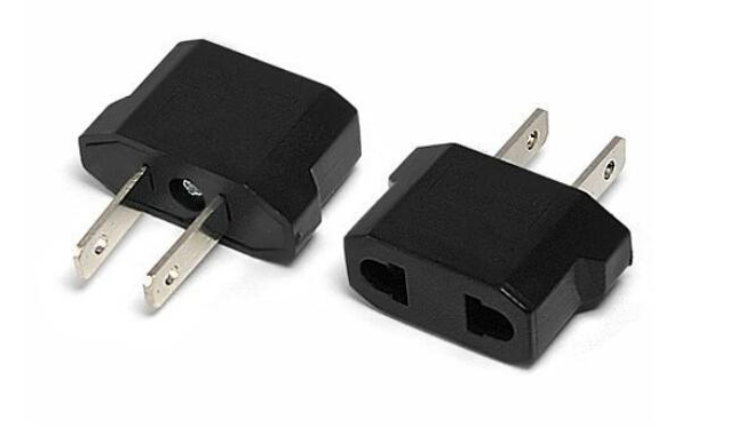
Adapter with two plugs
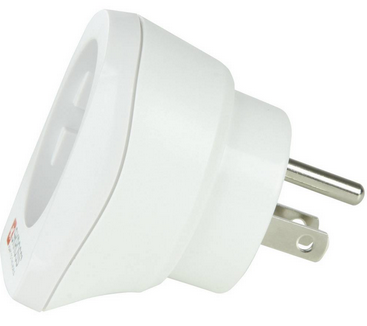
Adapter with three plugs
You’ve got the desire to visit Costa Rica?
Would you like to know more about us and why you can trust us for your trip to Costa Rica? Click here for more information:
Electricity & Safety: What Should You Keep in Mind?
A few simple precautions are helpful:
- Use surge protection for sensitive electronics if possible
- Unplug devices during storms or when leaving your accommodation
- Charge power banks and batteries preferably during the day
Short power outages can sometimes cause voltage fluctuations that may affect electronic devices.
Is There Internet in Costa Rica?
Many people imagine Costa Rica as pure jungle with little to no internet – that’s a misconception.
The capital city, San José, is a modern urban area with solid digital infrastructure. Internet access is also good in many other cities and tourist regions. Due to strong U.S. influence, you’ll find free WiFi in many hotels, restaurants, and cafés, including chains like Subway and McDonald’s.
Internet cafés are rare, as WiFi and mobile internet are widely available.
Mobile Internet & Coverage
In cities and popular tourist areas, mobile coverage is usually very good. In mountainous or remote regions, the signal can be weaker. Places like Tortuguero often have limited reception, while San José or coastal areas usually offer reliable service.
Many accommodations compensate for limited reception by offering WiFi.
SIM Card or eSIM: What's the Best Option?
If you’re staying longer or rely on mobile internet, consider:
- a local SIM card (e.g. Kölbi, Claro, or Movistar)
- or an eSIM for Costa Rica
Local SIM cards are affordable and usually offer good data packages. For shorter stays, eSIMs are often the more convenient option.
Hot Water & Electricity: The Electric Shower
An important topic related to electricity is hot water and showers.
Electric showers may look unusual to travelers from Europe—visible wiring in the bathroom can be unsettling at first. But don’t worry: electric showers are completely normal and safe in Central and South America, both in private homes and tourist accommodations.
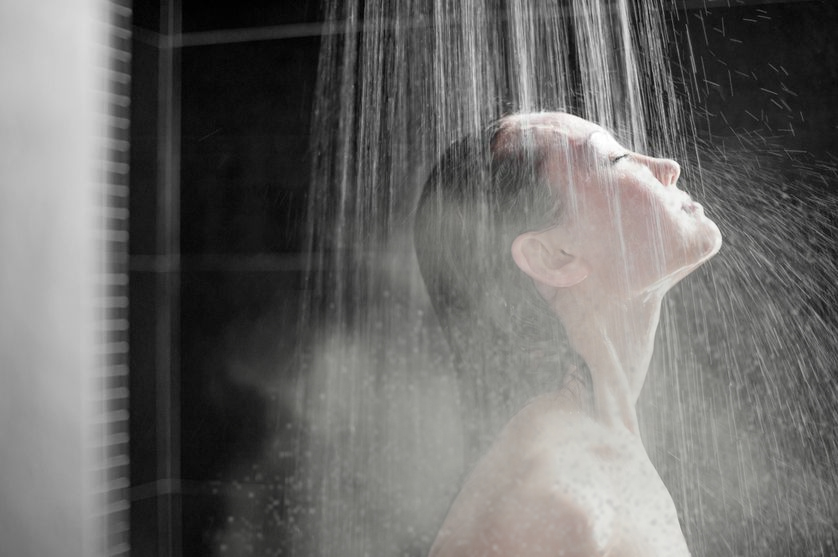
Electrical shower
Instead of a boiler, the water is heated directly inside the shower head. Hot water tanks are rare, and cold tap water is common.
No Hot Water?
This is usually due to water pressure:
- Turn the water flow down slightly
- Less water flow = hotter water
Do not change the settings on the shower head itself.
Hot water from bathroom sinks is also uncommon. Things work a bit differently here—but you’ll get used to it quickly.
Conclusion: Electricity & Internet in Costa Rica
- Electricity is widely available, but not always stable
- Power adapters for U.S.-style sockets are required
- Internet and WiFi are better than many expect
- Electric showers are normal and safe
Electricity and internet are not a reason to worry – with a bit of preparation, you’ll be well equipped for your trip to Costa Rica.
Do you still have questions or need clarification?
Feel free to
You want to get to know Costa Rica and travel here?
No problem! We can help you by preparing an offer without any obligation for you.